
BusinessMarkets, money & strategy
Sega pulls Total War: Shogun 2 – Complete Edition two days after launch and restores the 2011 original
Sega and Creative Assembly withdrew Total War: Shogun 2 – Complete Edition two days after its October 13 launch. Steam reviews were Overwhelmingly Negative, citing bugs, weaker performance and unit art that players say was AI-upscaled. The 2011 original returns to sale.
From the The Verge · AI article of October 15, 2026 and cited sources: Sega and Creative Assembly pulled the remaster on October 15, saying it fell short of their standards. [1] [2]
SOURCES[1] The Verge: Sega pulls Total War: Shogun 2 remaster from sale theverge.com[2] VGC: Sega pulls Total War: Shogun 2 Complete Edition videogameschronicle.com
 AT Pulse research deskPublished · Updated · 4 min read · AI-assisted analysis
AI-assisted, not human-edited. Methodology Corrections Who owns this site
- What happened
- Sega and Creative Assembly pulled the remaster on October 15, saying it fell short of their standards. [1] [2]
- Original source
- The Verge · AI article, independent perspective
- Brief by
- AT Pulse research desk AI-assisted; publisher and contact on the desk page
- When
- October 15, 2026 article published
- Covered
- Oct 16 edition
- Evidence
- 9 sources across 8 sites
- 1The Verge: Sega pulls Total War: Shogun 2 remaster from saletheverge.com
- 2VGC: Sega pulls Total War: Shogun 2 Complete Editionvideogameschronicle.com
- 3TechSpot: Sega pulls Shogun 2 remaster after…techspot.com
- 4GamingOnLinux: Complete Edition announcedgamingonlinux.com
- 5Prima Games: Complete Edition announced, owners get 75% offprimagames.com
- 6Gameswelt: Review-bombing after delisting of the originalgameswelt.de
Reach: not measured yet
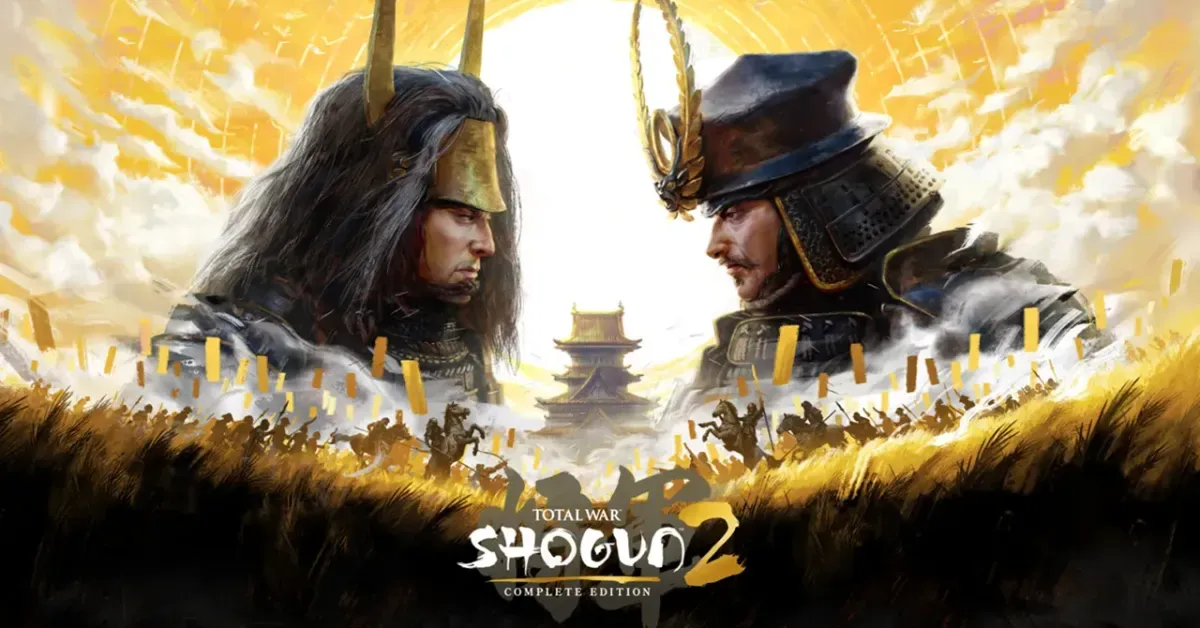
Sega and Creative Assembly pulled the remaster on October 15, saying it fell short of their standards. They will put the original game back on sale, and people who bought the remaster keep access. No relaunch date or refund policy has been announced. [1] [2]
Only about 19% of more than 2,000 Steam reviewers recommended the remaster. Part of that backlash was about the 2011 original being delisted and the higher price for new buyers, not only about quality. [2] [6]
Players point to artifacts typical of generative upscaling on unit cards, such as smeared faces, a face merging into a helmet and six-fingered hands. Neither Sega, Creative Assembly nor co-developer Mataboo has named the tools used. Mataboo faced similar accusations over its 2025 S.T.A.L.K.E.R. remasters. [3] [6] [7] [8]
Many complaints had nothing to do with art. Players reported worse performance after the 64-bit port and long-standing bugs that were never fixed. The stakes were higher because Sega had stopped selling the original on its own, so the remaster was the only version new buyers could get. [2] [4] [5]
The evidence shows a publisher withdrawing a paid remaster after visible art artifacts and technical faults drew wide player rejection.
Read the full assessment
The implication is that upscaled hand-drawn assets need human review for fidelity, plus disclosure of how they were made, especially when the remaster replaces the original.
I'm writing up the dossier now from the reviewed reporting.
Executive brief
Two days after launch, Sega took Total War: Shogun 2 – Complete Edition off sale. The paid remaster had replaced the 2011 original as the only version new buyers could purchase, so pulling it also meant putting the original back on sale. Steam reviews were "Overwhelmingly Negative," with only 19% of more than 2,000 reviewers recommending the game. Players pointed to bugs, poor performance and unit art that looks AI-upscaled. Neither they nor co-developer Mataboo has confirmed which upscaling tools were used, according to TechSpot.
Read the full section
Two days after launch, Sega took Total War: Shogun 2 – Complete Edition off sale. The paid remaster had replaced the 2011 original as the only version new buyers could purchase, so pulling it also meant putting the original back on sale. Steam reviews were "Overwhelmingly Negative," with only 19% of more than 2,000 reviewers recommending the game. Players pointed to bugs, poor performance and unit art that looks AI-upscaled. Sega and Creative Assembly said the release fell short of their standards. Neither they nor co-developer Mataboo has confirmed which upscaling tools were used, according to TechSpot.
What changed and event timeline
Remaster announced
It cost $39.99, or 75% off for existing owners until Nov 12. Promised features included updated lighting and textures, 4K UI scaling, mod.io support and a 64-bit upgrade,.
Original stops selling on its own
The 2011 game and its DLC could only be bought as part of the Complete Edition. Current owners kept the base game and received any missing DLC free,.
Launch
The Complete Edition goes on sale and gets an "Overwhelmingly Negative" Steam rating,.
Review-bombing
Reviewers complain about blurry, distorted upscaled unit cards, frame drops on the campaign map, and the original being delisted,.
Pulled from sale
Sega and Creative Assembly withdraw the game and say they will reinstate the original. Existing buyers keep access,.
Capabilities and access
- Product: a bundle of the 2011 game, all its DLC and the original version.
- Status: no longer for sale. No relaunch date or refund policy has been announced (VGC).
- AI tools: no model, vendor or pipeline has been named.
Read the full section
- Product: a bundle of the 2011 game, all its DLC and the original version. The Blood Pack is left out because of age ratings (Prima Games).
- Status: no longer for sale. People who bought it can still play it, and the original is coming back to stores. No relaunch date or refund policy has been announced (VGC).
- AI tools: no model, vendor or pipeline has been named.
Technical analysis for researchers and developers
No technical details of the asset pipeline have been published. Hand-drawn art needs review by people, frame by frame. The other problems point to engine and QA gaps that upscaling has nothing to do with: performance got worse after the 64-bit port, and long-standing bugs were left unfixed.
Read the full section
No technical details of the asset pipeline have been published. The documented failures are typical of generative upscaling applied to low-resolution 2D art:
- Invented details, such as a face merging into a helmet and characters with six fingers.
- Smeared or blurry facial features (Gameswelt).
What this means in practice: an upscaler can make images bigger without making them faithful to the original art. Hand-drawn art needs review by people, frame by frame. The other problems point to engine and QA gaps that upscaling has nothing to do with: performance got worse after the 64-bit port, and long-standing bugs were left unfixed.
Claims and evidence
Read the full section
- Sega pulled the game, the original returns, owners keep access: confirmed by the companies' own statement, as reported by The Verge.
- 19% positive across 2,000+ reviews: reported by VGC.
- AI upscaling: this comes from players looking at screenshots. It has not been confirmed. TechSpot notes that no company has confirmed its tools. Gameswelt states it as fact but cites no source.
- Mataboo's role: Mataboo is listed as a developer on Steam and shows the project on its own website (The Verge). How the work was split between Mataboo and Creative Assembly has not been disclosed.
Context and prior work
- TechSpot reports that Mataboo was accused of AI-upscaling art in the 2025 S.T.A.L.K.E.R. remasters. Those Enhanced Editions launched in May 2025 to mostly negative reviews (DSOGaming). No independent source confirming the accusation against Mataboo was found.
- Mataboo also ported the S.T.A.L.K.E.R. trilogy to consoles.
Read the full section
- TechSpot reports that Mataboo was accused of AI-upscaling art in the 2025 S.T.A.L.K.E.R. remasters. Those Enhanced Editions launched in May 2025 to mostly negative reviews (DSOGaming). No independent source confirming the accusation against Mataboo was found.
- Mataboo also ported the S.T.A.L.K.E.R. trilogy to consoles.
Limitations, safety and contested findings
- Reports disagree on who did the upscaling. Gameswelt names Creative Assembly, while other outlets name no one.
- Some of the negative reviews were about the delisting and the roughly $10 higher price for new buyers, not about quality (Gameswelt).
- No outlet has published its own performance benchmarks. The performance claims all come from player reports.
Read the full section
- Reports disagree on who did the upscaling. Gameswelt names Creative Assembly, while other outlets name no one.
- Some of the negative reviews were about the delisting and the roughly $10 higher price for new buyers, not about quality (Gameswelt). The review score therefore mixes complaints about price and access with complaints about quality.
- No outlet has published its own performance benchmarks. The performance claims all come from player reports.
Business and practitioner implications
- Replacing the original is risky. When the remaster failed, Sega had to back out publicly.
- Visible AI artifacts cost trust fast. Players do not judge AI-assisted art pipelines by technical quality alone.
- When remaster work goes to a partner, publishers need art-fidelity standards and disclosure rules. The partner's past controversies carry over to the publisher's brand.
Read the full section
- Replacing the original is risky. Delisting a beloved game so the remaster becomes the only option raises the stakes of launch quality. When the remaster failed, Sega had to back out publicly.
- Visible AI artifacts cost trust fast. Six-finger artifacts on unit cards, a highly visible asset, became the symbol of the backlash. Players do not judge AI-assisted art pipelines by technical quality alone.
- Vendor oversight matters. When remaster work goes to a partner, publishers need art-fidelity standards and disclosure rules. The partner's past controversies carry over to the publisher's brand.
- Say how assets were made. Saying nothing about the tools left players' accusations as the only account available.