
PolicyLaw, regulation & governance
CPS prosecutor cited nonexistent case to High Court in decision to prosecute boy, linked to AI search summary
A senior Crown Prosecution Service lawyer's decision to prosecute a boy cited a nonexistent case, reportedly drawn from an AI search summary. The High Court called her explanation unsatisfactory but found the fake authority did not change the outcome.
From the The Guardian · AI article of November 3, 2026 and cited sources: The decision to keep prosecuting a boy who was 11 at the time of an alleged rape cited 'R v J [2024] EWCA Crim 3529', a case that does not exist. [1] [5]
SOURCES[1] ‘A serious failure’: CPS prosecutor cites imaginary case… theguardian.com[5] EconoTimes: UK High Court Dismisses Challenge After CPS… econotimes.com
 AT Pulse research deskPublished · Updated · 4 min read · AI-assisted analysis
AI-assisted, not human-edited. Methodology Corrections Who owns this site
- What happened
- The decision to keep prosecuting a boy who was 11 at the time of an alleged rape cited 'R v J [2024] EWCA Crim 3529', a case that does not exist. [1] [5]
- Original source
- The Guardian · AI article, independent perspective
- Brief by
- AT Pulse research desk AI-assisted; publisher and contact on the desk page
- When
- November 3, 2026 article published
- Covered
- Nov 3 edition
- Evidence
- 7 sources across 7 sites
- 1‘A serious failure’: CPS prosecutor cites imaginary case…theguardian.com
- 2Ayinde judgmentcaselaw.nationalarchives.gov.uk
- 3Lawyer Monthly: CPS Admits AI-Linked False Citations…lawyer-monthly.com
- 4City AM: CPS caught using AI hallucination evidencecityam.com
- 5EconoTimes: UK High Court Dismisses Challenge After CPS…econotimes.com
- 6Barrister Magazine: AI Hallucinations and the Discipline…barristermagazine.com
QuietHow it’s measured
Hacker News · 2 likes
Reach blends public engagement (views, likes, comments, shares, stars) from the platforms where the story or its original source lives: YouTube, Hacker News, GitHub, Substack and similar. A video and the article written from its transcript share one score, taken from the video. Platforms with no data are left out rather than counted as zero, and the age of a story never lowers its score.
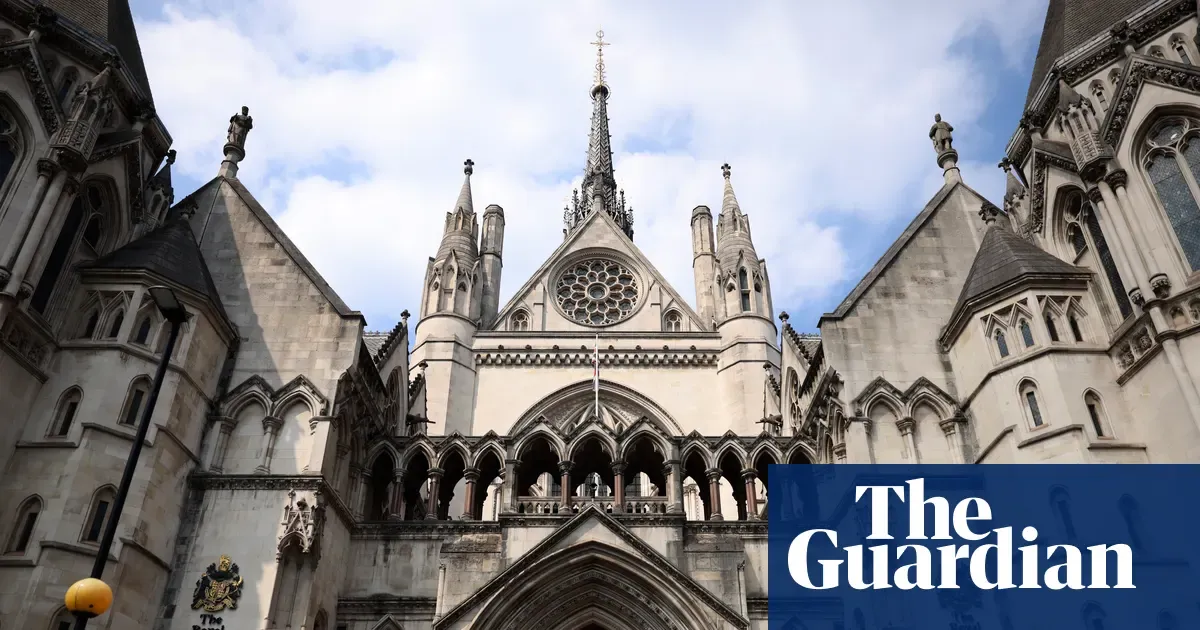
The decision to keep prosecuting a boy who was 11 at the time of an alleged rape cited 'R v J [2024] EWCA Crim 3529', a case that does not exist. The prosecutor later said she had meant the real House of Lords case R v JTB [2009] UKHL 20. Lord Justice Holgate and Mr Justice Wall dismissed the judicial review claim, and the Guardian reports that the boy's youth court trial is listed for this week. [1] [5]
This is the second known CPS incident of its kind in 2026. Earlier, two nonexistent authorities reached the High Court in Romanian extradition appeals and were carried from the initial grounds into later submissions. After that incident, the CPS judged the risk of a repeat to be low, even though its policy already required people to check AI output for accuracy. [1] [3] [4]
In Ayinde v Haringey (June 2025), the High Court had already said that generative AI is unreliable for legal research and that lawyers must check their authorities, with sanctions ranging from admonishment to contempt. A UK tracker of AI-related court errors now lists 101 entries, up from 47 in an earlier report. It counts suspected and disputed cases as well as confirmed ones, so it is not a count of proven AI errors. [1] [2] [6]
a written prosecutorial decision cited a case that does not exist, and an existing human-check policy did not catch it.
Read the full assessment
Implication: organisations relying on AI-assisted research may need automatic citation checks against authoritative registers, and policies naming search-page summaries.
Executive brief
A senior Crown Prosecution Service (CPS) lawyer gave the High Court a case that does not exist, "CPS – R v J [2024] EWCA Crim 3529". She used it to argue for prosecuting a boy who was 11 when he allegedly raped his sister. The Guardian understands the citation came from an AI summary in an internet search. Two judges called her explanation "unsatisfactory", but said the fake case did not change the result. This is the second known CPS incident of this kind in 2026. A UK tracker of AI-related court errors now lists 101 entries.
What changed and event timeline
High Court warns lawyers
In Ayinde v Haringey, the court said generative AI is unreliable for legal research. It referred lawyers to their regulators and asked the professional bodies to act urgently.
First CPS incident
The CPS admitted that two nonexistent authorities, possibly from generative AI, had reached the High Court in two Romanian extradition appeals. Mr Justice Sweeting's judgment was reported in July.
More detail
21–27 Apr 2026: Decision to prosecute
Dhillon decided to continue the prosecution on 21 April, and the Chief Crown Prosecutor confirmed it on 27 April. The written decision cited the fake case.
Error admitted
In a witness statement, Dhillon said she had meant to cite R v JTB [2009] UKHL 20, a real House of Lords decision.
Challenge dismissed
Lord Justice Holgate and Mr Justice Wall granted permission for judicial review, then dismissed the claim. They called the explanation "unsatisfactory".
Story reported
The Guardian linked the citation to an AI search summary. Matthew Lee's tracker reached 101 entries.
Capabilities and access
- The tool, model and version are not identified. The reporting describes only an AI summary that appeared in an internet search, not a specialist legal research product. The Guardian
- According to the CPS, its policy bars AI from making legal decisions and requires human accuracy checks. The Guardian
Technical analysis for researchers and developers
- How it failed: the fake citation looked real. It used a valid neutral-citation format (EWCA Crim), a plausible year and a one-letter defendant initial.
- What would have caught it: a simple check that the citation exists, run against an authoritative register such as the National Archives case law service, which Ayinde recommends.
- Errors persist: in the extradition matter, the fake authorities passed from the initial grounds into later submissions before anyone caught them. Lawyer Monthly
Read the full section
- How it failed: the fake citation looked real. It used a valid neutral-citation format (EWCA Crim), a plausible year and a one-letter defendant initial. The name echoes the real R v JTB, which suggests the model blended a real case into an invented one. That link is an inference; no source confirms it.
- What would have caught it: a simple check that the citation exists, run against an authoritative register such as the National Archives case law service, which Ayinde recommends.
- Errors persist: in the extradition matter, the fake authorities passed from the initial grounds into later submissions before anyone caught them. Lawyer Monthly
Claims and evidence
- AI search was the source. The judgment itself does not mention AI (EconoTimes). The AI link rests on what the Guardian "understands".
- No other cases affected. This comes from the CPS's own internal review and has not been independently checked (The Guardian).
- 101 tracker entries. The tracker counts confirmed, suspected and disputed cases, so it is not a count of proven AI errors (The Guardian).
Read the full section
- AI search was the source. The judgment itself does not mention AI (EconoTimes). The AI link rests on what the Guardian "understands". The CPS itself refers only to "legal research using the internet" (The Guardian).
- No other cases affected. This comes from the CPS's own internal review and has not been independently checked (The Guardian).
- 101 tracker entries. The tracker counts confirmed, suspected and disputed cases, so it is not a count of proven AI errors (The Guardian).
Context and prior work
- Ayinde (June 2025) set out the duty to verify and the possible sanctions, from admonishment to contempt. Ayinde judgment
- In the first CPS incident, a review of 78 other cases by the same lawyer found no further problems.
- Earlier, Lee's UK count stood at 47 (Barrister Magazine). Damien Charlotin runs a separate international database (Charlotin).
Read the full section
- Ayinde (June 2025) set out the duty to verify and the possible sanctions, from admonishment to contempt. Ayinde judgment
- In the first CPS incident, a review of 78 other cases by the same lawyer found no further problems. The CPS said the "operative cause" was failure to verify, not the AI itself. Lawyer Monthly
- Earlier, Lee's UK count stood at 47 (Barrister Magazine). Damien Charlotin runs a separate international database (Charlotin).
Limitations, safety and contested findings
- The court found the fake citation did not affect the outcome. The boy's trial in the youth court is listed for this week. The Guardian
- Maynooth's Brian Flanagan says fabricating authority is especially serious when a state prosecutor does it. The Guardian
- After the first incident, the CPS judged the risk of it happening again to be low. It then happened again. The Guardian
Read the full section
- The court found the fake citation did not affect the outcome. The boy's trial in the youth court is listed for this week. The Guardian
- Maynooth's Brian Flanagan says fabricating authority is especially serious when a state prosecutor does it. The Guardian
- After the first incident, the CPS judged the risk of it happening again to be low. It then happened again. The Guardian
- Lee warns the true number of cases is likely higher, because many lower-court decisions are never published. He also flags privacy risks when the CPS uses AI with sensitive material.
Business and practitioner implications
- Policy alone is not enough. The CPS already had a human-check rule, and the error still got through.
- AI search summaries are a separate risk.
- Checking costs time. Barristers now spend time confirming that authorities in case papers are real. The Guardian
Read the full section
- Policy alone is not enough. The CPS already had a human-check rule, and the error still got through. Organisations need automatic citation checks built into the workflow.
- AI search summaries are a separate risk. Staff may not think of a search-page summary as "using AI", so policies should name these features explicitly.
- Checking costs time. Barristers now spend time confirming that authorities in case papers are real. The Guardian
- Vendors: legal AI tools that tie every citation to a verifiable source can compete directly against general-purpose search summaries.
The source trail.
Sources (7)
‘A serious failure’: CPS prosecutor cites imaginary case to high court after AI search
Article text retrieved; extracted text may omit tables or interactive elements.
theguardian.com