
SafetyRisk, alignment & guardrails
Psychiatry’s unresolved evidence gaps are a warning for mental-health AI products
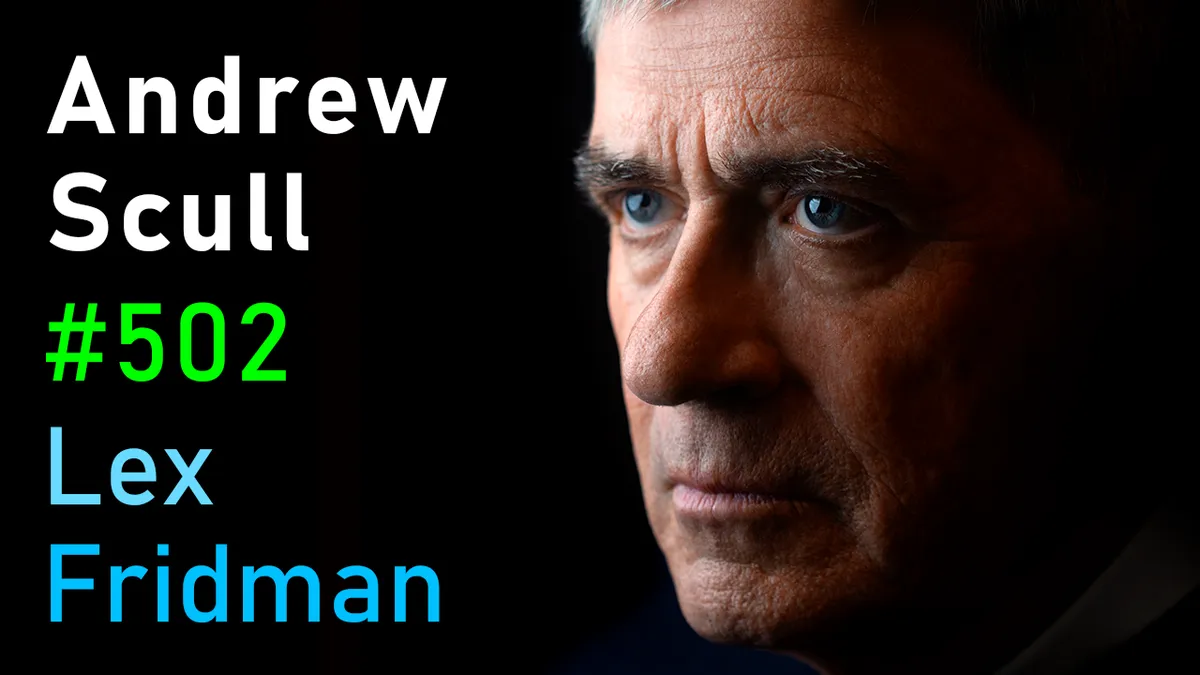
A Lex Fridman interview with historian Andrew Scull offers no new clinical data or AI release, but its account of psychiatry’s overconfident diagnoses, harmful interventions, and mixed treatment evidence highlights governance risks for AI tools entering mental-health workflows.
 AT Pulse research deskSeptember 18, 2026 · 10 min read · AI-assisted analysis
The episode is commentary, not a trial, regulation, benchmark, or product launch; its value is a historically informed warning about therapeutic overclaiming under uncertainty. [1] [2] [4]
Scull’s reliability-versus-validity critique of DSM-style diagnosis aligns with NIMH’s RDoC rationale: symptom labels can be operationally useful without proving underlying biological categories. [2] [17]
Evidence in the reviewed research shows psychiatry has a record of real but limited progress, contested diagnoses, and treatments whose benefits vary across patients.
Read the full assessment
CATIE and NICE materials support a tradeoff-based view of care rather than a simple efficacy story. The implication for AI leaders is not that mental-health tools should be avoided, but that they should be governed like high-uncertainty clinical-adjacent systems: conservative claims, longitudinal safety monitoring, human escalation, and clear boundaries around diagnosis and treatment advice.
Executive brief
On September 17, 2026, Lex Fridman released episode #502, “Psychiatry, Insane Asylums, Mental Illness, ECT, Lobotomies, Freud & Jung,” a longform conversation with historian of psychiatry Andrew Scull; Apple Podcasts lists the episode as published September 17, 2026 at 12:40 AM UTC, with links to the transcript and Scull’s books. #502 – Psychiatry, Insane Asyl… - Lex Fridman Podcast - Apple Podcasts Scull’s through-line—failed “breakthroughs,” uncontrolled interventions, diagnostic instability, industry incentives, and patient harm—maps directly onto AI-for-mental-health product risk: avoid inflated claims, distinguish statistical from clinical significance, track harms longitudinally, and treat patient autonomy and escalation pathways as core system requirements rather than compliance afterthoughts.
Read the full section
On September 17, 2026, Lex Fridman released episode #502, “Psychiatry, Insane Asylums, Mental Illness, ECT, Lobotomies, Freud & Jung,” a longform conversation with historian of psychiatry Andrew Scull; Apple Podcasts lists the episode as published September 17, 2026 at 12:40 AM UTC, with links to the transcript and Scull’s books. #502 – Psychiatry, Insane Asyl… - Lex Fridman Podcast - Apple Podcasts The source is commentary, not a new clinical trial, regulatory action, model release, or independent evaluation. Its value is as a synthesis of psychiatry’s history and current epistemic crisis: Scull argues that psychiatry has made real but limited progress, has often overclaimed therapeutic certainty, and still lacks cure-level interventions comparable to antibiotics for many major mental disorders. In the transcript, he frames modern treatments as often symptomatic rather than curative, and says clinicians frequently cannot predict who will benefit from psychiatric drugs versus who will experience unacceptable harms. Transcript for Psychiatry, Insane Asylums, Mental Illness, ECT, Lobotomies, Freud & Jung | Lex Fridman Podcast #502 - Lex Fridman
For AI practitioners and technical leaders, the episode is less about deploying a system and more about evidence governance under uncertainty. Scull’s through-line—failed “breakthroughs,” uncontrolled interventions, diagnostic instability, industry incentives, and patient harm—maps directly onto AI-for-mental-health product risk: avoid inflated claims, distinguish statistical from clinical significance, track harms longitudinally, and treat patient autonomy and escalation pathways as core system requirements rather than compliance afterthoughts.
What changed and event timeline
- What changed The event did not introduce new psychiatric data; it surfaced a historically informed critique to a large technical and general audience.
- 00:06–00:20 Scull’s modern crisis thesis: DSM reliability versus validity, symptom-based diagnosis, NIMH’s genetics/neuroscience emphasis, and the “brainless psychiatry” to “mindless psychiatry” critique.
- 00:39–00:49 Asylums, degeneration theory, forced sterilization, Nazi T4, and Rockefeller-linked psychiatric genetics claims.
- 00:50–01:28 “Desperate remedies”: lobotomy, insulin coma therapy, convulsive therapies, and ECT.
- 02:00–02:49 Talk therapy history: religious healing, Freud, psychoanalysis, clinical psychology, CBT, and Aaron Beck’s diagnostic and therapeutic contributions.
- 03:07–03:25 Antipsychotics, CATIE, antidepressants, placebo effects, side effects, and the limits of personalization.
Capabilities and access
There is no AI model, software product, API, architecture, or benchmarked system associated with this story. The accessible artifacts are the episode page, audio/video distribution, and the published transcript, which the prompt classifies as automatically transcribed/timestamped text rather than direct audiovisual review. The relevant “version” is therefore Lex Fridman Podcast #502, published 2026-09-17.
Read the full section
There is no AI model, software product, API, architecture, or benchmarked system associated with this story. The accessible artifacts are the episode page, audio/video distribution, and the published transcript, which the prompt classifies as automatically transcribed/timestamped text rather than direct audiovisual review. The relevant “version” is therefore Lex Fridman Podcast #502, published 2026-09-17. #502 – Psychiatry, Insane Asyl… - Lex Fridman Podcast - Apple Podcasts
Technical analysis for researchers and developers
The technically important theme is measurement validity. NIMH’s own RDoC materials support the broader concern: NIMH says present diagnostic systems do not incorporate integrative neuroscience optimally for scientific gains, and RDoC studies clinical problems across or within diagnostic boundaries rather than treating DSM labels as fixed natural kinds. RDoC Frequently Asked Questions (FAQ) - National Institute of Mental Health (NIMH) Evaluation methodology is another core point.
Read the full section
The technically important theme is measurement validity. Scull distinguishes reliability—clinicians reaching the same label—from validity—whether the label tracks an underlying disease process. In the transcript, he argues DSM-III improved diagnostic agreement by using symptom checklists, but that this did not prove the categories reflected biological reality. Transcript for Psychiatry, Insane Asylums, Mental Illness, ECT, Lobotomies, Freud & Jung | Lex Fridman Podcast #502 - Lex Fridman NIMH’s own RDoC materials support the broader concern: NIMH says present diagnostic systems do not incorporate integrative neuroscience optimally for scientific gains, and RDoC studies clinical problems across or within diagnostic boundaries rather than treating DSM labels as fixed natural kinds. RDoC Frequently Asked Questions (FAQ) - National Institute of Mental Health (NIMH)
For AI developers, the analogy is direct: a classifier that reliably assigns a DSM label may still be clinically shallow if the label is a proxy for heterogeneous mechanisms, social context, medication history, trauma, or risk state. Systems should therefore separate phenotyping, risk stratification, treatment recommendation, and administrative coding. A chatbot or triage model that collapses these into “diagnosis” repeats the error Scull highlights: mistaking operational convenience for explanatory truth.
Evaluation methodology is another core point. Scull repeatedly contrasts uncontrolled enthusiasm with controlled evidence. He treats insulin coma therapy as an example of dramatic claims that failed once randomized controlled evaluation arrived. Transcript for Psychiatry, Insane Asylums, Mental Illness, ECT, Lobotomies, Freud & Jung | Lex Fridman Podcast #502 - Lex Fridman In modern psychopharmacology, the NIMH CATIE study is a useful benchmark for real-world effectiveness rather than narrow efficacy. NIMH states CATIE compared older perphenazine with newer olanzapine, quetiapine, risperidone, and ziprasidone, using time to discontinuation as the primary measure because effectiveness depends on both symptom relief and tolerability. Questions and Answers About the NIMH Clinical Antipsychotic Trials of Intervention Effectiveness Study (CATIE) — Phase 1 Results - National Institute of Mental Health (NIMH) NIMH reported broadly comparable effectiveness, high discontinuation, modest olanzapine advantages offset by weight gain/metabolic risks, and the need to individualize tradeoffs. Questions and Answers About the NIMH Clinical Antipsychotic Trials of Intervention Effectiveness Study (CATIE) — Phase 1 Results - National Institute of Mental Health (NIMH)
Implementation implication: mental-health AI tools should not optimize only short-session satisfaction, symptom-score deltas, or engagement. They need adverse-event capture, dropout analysis, escalation rate monitoring, subgroup performance, and human review for high-risk states. The psychiatric history Scull recounts is a warning that high user engagement is not proof of benefit, and that interventions can look successful while silencing, sedating, coercing, or selecting out harmed users.
Claims and evidence
Claim reported by Scull: psychiatry lacks cure-level interventions for many major disorders and often provides partial symptomatic relief. Claim reported by Scull: DSM categories are reliable-enough administrative tools but weak as biological research objects. Claim reported by Scull: ECT has a brutal history but remains evidence-supported for some severe presentations.
Read the full section
Claim reported by Scull: psychiatry lacks cure-level interventions for many major disorders and often provides partial symptomatic relief. This is a commentary claim, but parts are consistent with contemporary guidelines and trials: CATIE found medication choice involves effectiveness/side-effect/cost tradeoffs and substantial individual variation. Questions and Answers About the NIMH Clinical Antipsychotic Trials of Intervention Effectiveness Study (CATIE) — Phase 1 Results - National Institute of Mental Health (NIMH) NICE’s adult depression guidance also emphasizes shared decision-making, benefits and harms, waiting times, expected outcomes, and review after starting antidepressants. Recommendations | Depression in adults: treatment and management | Guidance | NICE
Claim reported by Scull: DSM categories are reliable-enough administrative tools but weak as biological research objects. NIMH’s RDoC FAQ independently supports the methodological critique by stating that current diagnostic definitions do not incorporate integrative neuroscience information optimally, and that RDoC research should focus on clinical problems across diagnostic boundaries. RDoC Frequently Asked Questions (FAQ) - National Institute of Mental Health (NIMH)
Claim reported by Scull: ECT has a brutal history but remains evidence-supported for some severe presentations. The transcript distinguishes unmodified ECT and punitive institutional use from modern ECT using anesthesia/muscle relaxation, while also noting memory concerns and controversy. Transcript for Psychiatry, Insane Asylums, Mental Illness, ECT, Lobotomies, Freud & Jung | Lex Fridman Podcast #502 - Lex Fridman NICE recommends considering ECT for severe depression under specific conditions, and the FDA classification database lists ECT devices for catatonia or severe major depressive episodes associated with MDD or bipolar disorder in patients 13+ who are treatment-resistant or need rapid response. Recommendations | Depression in adults: treatment and management | Guidance | NICE This does not resolve patient-reported harms; it shows that regulators/guidelines still recognize limited, high-severity indications.
Claim reported by Scull: antipsychotics help some patients but are limited and burdened by side effects. CATIE independently supports this mixed picture: NIMH reports newer drugs had no substantial overall advantage over the older comparator used, olanzapine had modest advantages but more weight/metabolic risk, and patients/doctors must weigh tradeoffs. Questions and Answers About the NIMH Clinical Antipsychotic Trials of Intervention Effectiveness Study (CATIE) — Phase 1 Results - National Institute of Mental Health (NIMH)
Claim reported by Scull: SSRI-era serotonin marketing oversimplified depression. A 2022 Molecular Psychiatry umbrella review by Moncrieff et al. found no consistent evidence that depression is caused by lowered serotonin activity or concentration. The serotonin theory of depression: a systematic umbrella review of the evidence - PMC But this is contested: a 2023 Molecular Psychiatry response argued that the serotonin system remains implicated and criticized the umbrella review’s interpretation. A leaky umbrella has little value: evidence clearly indicates the serotonin system is implicated in depression | Molecular Psychiatry Separately, the 2018 Lancet network meta-analysis summarized in Focus found all 21 studied antidepressants more efficacious than placebo for acute adult major depressive disorder, but this does not prove a simple “chemical imbalance” mechanism. Comparative Efficacy and Acceptability of 21 Antidepressant Drugs for the Acute Treatment of Adults With Major Depressive Disorder: A Systematic Review and Network Meta-Analysis
Claim reported by Scull: deinstitutionalization without adequate community care contributed to criminalization of serious mental illness. Independent sources support the broad concern, though precise “largest facilities” rankings vary by source and year. A Justice Department/community policing report states Rikers Island, Los Angeles County Jail, and Cook County Jail were the largest mental health facilities in the U.S. by its cited source. Sheriffs Addressing the Mental Health Crisis in the Community and in the Jails JAMA reported Cook County Jail as the nation’s largest inpatient mental health facility at the time of publication, with psychiatric illness affecting about one-third of inmates. Criminal Justice Becomes Front Line for Mental Health Care | Psychiatry and Behavioral Health | JAMA | JAMA Network
Context and prior work
Scull is a long-established historian/sociologist of psychiatry. UCSD Profiles lists Andrew Scull and his work in the history of medicine and psychiatry, including Contested Jurisdictions and Desperate Remedies. Andrew Scull | UCSD Profiles NobelPrize.org confirms Egas Moniz received the 1949 Nobel Prize in Physiology or Medicine and describes his mid-1930s introduction of lobotomy.
Read the full section
Scull is a long-established historian/sociologist of psychiatry. UCSD Profiles lists Andrew Scull and his work in the history of medicine and psychiatry, including Contested Jurisdictions and Desperate Remedies. Andrew Scull | UCSD Profiles JSTOR’s listing for Desperate Remedies describes the book as beginning with asylum reform in the 1830s and continuing through drug trials and genetic studies. Desperate Remedies: Psychiatry’s Turbulent Quest to Cure Mental Illness | JSTOR
The episode’s historical claims are broadly aligned with documented history. NobelPrize.org confirms Egas Moniz received the 1949 Nobel Prize in Physiology or Medicine and describes his mid-1930s introduction of lobotomy. Egas Moniz – Facts - NobelPrize.org The U.S. Holocaust Memorial Museum states that T4 planners targeted patients in mental institutions and that Final Solution planners later borrowed gas chamber and crematoria technology designed for T4. Euthanasia Program and Aktion T4 | Holocaust Encyclopedia Public-health history also supports Scull’s U.S. eugenics context: California passed a eugenic sterilization law in 1909 and performed about one-third—roughly 20,000—of documented compulsory sterilizations under state eugenics laws. Disproportionate Sterilization of Latinos Under California’s Eugenic Sterilization Program, 1920–1945
Limitations, safety, and contested findings
The episode is not neutral clinical guidance. Some claims—especially about specific motives, institutional intent, and influence pathways from U.S. eugenics to Nazi policy—require careful primary-source historiography beyond the transcript. Antidepressants show average efficacy over placebo in large meta-analysis but face disputes about clinical effect size, withdrawal, sexual dysfunction, and mechanism.
Read the full section
The episode is not neutral clinical guidance. It is a historian’s interpretive synthesis, and the transcript may contain transcription errors. Some claims—especially about specific motives, institutional intent, and influence pathways from U.S. eugenics to Nazi policy—require careful primary-source historiography beyond the transcript. The available live search did not reveal independent contemporaneous reporting of the episode beyond summaries and podcast listings, so there is no independent verification of the conversation itself beyond platform publication records. #502 – Psychiatry, Insane Asyl… - Lex Fridman Podcast - Apple Podcasts
Clinically, several topics remain contested. ECT is both guideline-recognized and strongly opposed by some patients and clinicians due to memory and consent concerns. Antidepressants show average efficacy over placebo in large meta-analysis but face disputes about clinical effect size, withdrawal, sexual dysfunction, and mechanism. CBT and behavioral activation have evidence for depression, but Cochrane characterizes some psychotherapy evidence in treatment-resistant depression as low or moderate quality depending on endpoint and intervention. Are psychological therapies effective in treating depression that did not get better with previous treatment? | Cochrane
Business and practitioner implications
- Do not market mental-health AI as a cure. Scull’s strongest lesson is that overclaiming destroys trust when harms appear.
- Design for escalation, not replacement. Severe depression, psychosis, catatonia, suicidality, mania, and medication adverse events require clinician pathways.
- CATIE’s emphasis on tolerability should inform AI product analytics: churn after distressing interactions may be a safety signal, not a growth metric.
Read the full section
- Do not market mental-health AI as a cure. Scull’s strongest lesson is that overclaiming destroys trust when harms appear.
- Design for escalation, not replacement. Severe depression, psychosis, catatonia, suicidality, mania, and medication adverse events require clinician pathways.
- Measure discontinuation and harm. CATIE’s emphasis on tolerability should inform AI product analytics: churn after distressing interactions may be a safety signal, not a growth metric.
- Support shared decision-making. Mental-health tools should communicate uncertainty, alternatives, and when to seek professional care.
- Avoid diagnostic reification. Use labels as administrative/communication aids, not as complete explanations of a person.
Sources
Core sources used: Lex Fridman episode listing and transcript; NIMH RDoC and CATIE materials; NICE depression guidance; FDA ECT device classification; Molecular Psychiatry serotonin debate; Lancet/Focus antidepressant meta-analysis summary; U.S. Holocaust Memorial Museum; NobelPrize.org; California sterilization research; JAMA/justice-system mental-health sources; UCSD/JSTOR pages on Scull’s work.
The source trail.
Sources (17)
#502 – Psychiatry, Insane Asylums, Mental Illness, ECT, Lobotomies, Freud & Jung
Transcript retrieved via published_transcript; language en. Timestamped text, not direct audiovisual review. Source: https://lexfridman.com/andrew-scull-transcript. Automatic captions/transcription may contain errors.
lexfridman.com