
BusinessMarkets, money & strategy
Mark Wahlberg says he is open to an heir-controlled AI likeness and AI-enhanced stadium scenes for a Pete Rose film
At TechCrunch Disrupt, Mark Wahlberg said he would not oppose an AI likeness continuing his Ted role once he can no longer play it, ideally controlled by his children or grandchildren. He also said his team is discussing AI to enhance stadium scenes in a Pete Rose film.
From the TechCrunch AI article of October 16, 2026 and cited sources: Wahlberg said that if an animated Ted series kept going for decades after he could no longer take part, he would not object to his likeness carrying on as long as audiences want it. [1] [2]
SOURCES[1] Mark Wahlberg on using AI in film ‘the right way’ and… techcrunch.com[2] Linked video: Mark Wahlberg on using AI in film ‘the right… youtube.com
 AT Pulse research deskPublished · Updated · 4 min read · AI-assisted analysis
AI-assisted, not human-edited. Methodology Corrections Who owns this site
- What happened
- Wahlberg said that if an animated Ted series kept going for decades after he could no longer take part, he would not object to his likeness carrying on as long as audiences want it. [1] [2]
- Original source
- TechCrunch AI article, independent perspective
- Brief by
- AT Pulse research desk AI-assisted; publisher and contact on the desk page
- When
- October 16, 2026 article published
- Covered
- Oct 18 edition
- Evidence
- 11 sources across 10 sites
- 1Mark Wahlberg on using AI in film ‘the right way’ and…techcrunch.com
- 2Linked video: Mark Wahlberg on using AI in film ‘the right…youtube.com
- 3DiarioBitcoindiariobitcoin.com
- 4Loeb & Loeb: SAG-AFTRA AI termsloeb.com
- 5SAG-AFTRA digital replicassagaftra.org
- 6TechCrunch: CAA/Veritone vaulttechcrunch.com
RisingHow it’s measured
YouTube video · 1.2K views · 10 likes
Reach blends public engagement (views, likes, comments, shares, stars) from the platforms where the story or its original source lives: YouTube, Hacker News, GitHub, Substack and similar. A video and the article written from its transcript share one score, taken from the video. Platforms with no data are left out rather than counted as zero, and the age of a story never lowers its score.
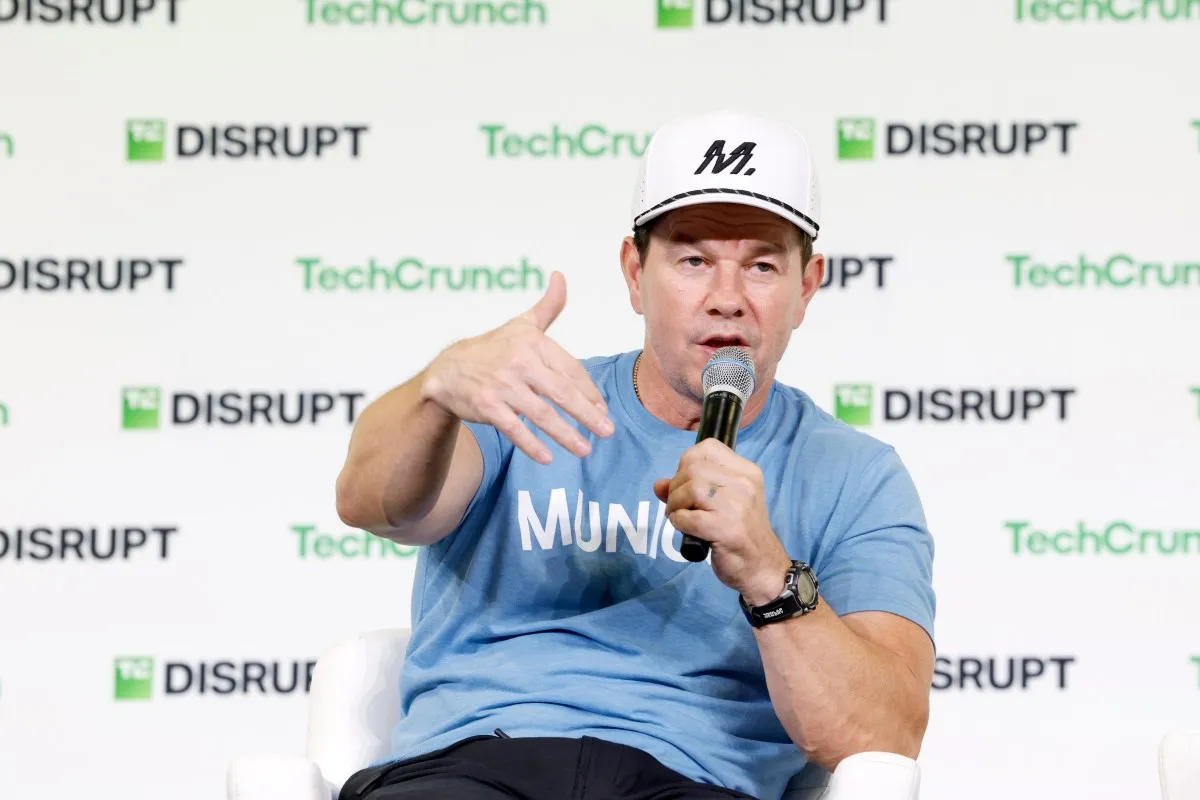
Wahlberg said that if an animated Ted series kept going for decades after he could no longer take part, he would not object to his likeness carrying on as long as audiences want it. He would like his children and grandchildren to manage his image. He also said he has not been scanned at CAA's likeness facility and has not been invited, though he would be interested. [1] [2]
For his planned Pete Rose biopic, Wahlberg said his team is discussing AI to enhance the stadium setting. That is background and environment work, and no tool or vendor was named. He rejected films where a chatbot writes the script and real actors are left out. The proposed use matches post-production enhancement tools like Ben Affleck's InterPositive, which Netflix reportedly bought for about $587M. [1] [2] [8] [9]
Consent rules already shape any future replica. The 2023 SAG-AFTRA contract requires separate written consent for digital replicas and pay for their use. California's AB 1836 requires an estate's consent before a deceased performer's replica is used. CAA's vault leaves ownership of scanned assets with the talent. [4] [5] [6] [7]
The evidence is opinions given on stage, with no contracts and no named tools.
Read the full assessment
The implication is that a major star accepts AI that enhances footage, as well as likeness licensing managed by heirs, which California law already makes conditional on estate consent.
Executive brief
At TechCrunch Disrupt, Mark Wahlberg said he would not object to an AI version of his likeness carrying on Ted for decades after he can no longer do it. He added that he would like his children or grandchildren to control his image (TechCrunch). He said his team is discussing AI to enhance stadium scenes in a planned Pete Rose biopic. He also rejected films where ChatGPT writes the script and real actors aren't used. No clone exists, and no AI use on the film is confirmed (DiarioBitcoin). The AI discussion took about six minutes of a 32-minute panel that was mostly about business.
What changed and event timeline
SAG-AFTRA sets digital-replica rules
The TV/theatrical deal requires clear, separate, written consent for digital replicas and pays performers for replica use as if they had worked those days (;).
CAAvault goes public
CAA and Veritone announced a repository that holds scans of clients' bodies, faces, voices and movements. Clients own the assets and decide who can access them ().
California protects deceased performers
AB 1836 requires an estate's consent before a dead performer's digital replica can be used. Damages are at least $10,000, and the law took effect January 1, 2025 ().
Netflix buys Affleck's InterPositive
The startup makes post-production AI tools. Reports put the price at about $587M, citing Netflix filings (;).
Pete Rose biopic confirmed
Wahlberg said he is working on a Pete Rose film, with a script written and talks with filmmakers underway ().
Wahlberg's Disrupt remarks
He backed AI that enhances films and said he is open to a likeness his heirs control (;).
Capabilities and access
- No AI vendor, model or version was named. ChatGPT came up only as an example of what not to do (video 26:23).
- The proposed use is enhancing the stadium setting, which is environment and background work, not replacing actors (video 26:13).
- On the CAA vault, Wahlberg said he hasn't been scanned or invited but would be interested (video 28:59).
Read the full section
- No AI vendor, model or version was named. ChatGPT came up only as an example of what not to do (video 26:23).
- The proposed use is enhancing the stadium setting, which is environment and background work, not replacing actors (video 26:13).
- On the CAA vault, Wahlberg said he hasn't been scanned or invited but would be interested (video 28:59). The vault's capture system runs on Veritone's asset-management technology (TechCrunch).
Technical analysis for researchers and developers
The remarks contain no architecture, evaluation or pipeline details. The relevant documented reference point is InterPositive, which reportedly trains a production-specific model on footage already shot. A posthumous Ted likeness is a harder problem: it would need consented capture, stored assets such as CAAvault scans, and rights management across decades.
Read the full section
The remarks contain no architecture, evaluation or pipeline details. The relevant documented reference point is InterPositive, which reportedly trains a production-specific model on footage already shot. It is used in post-production to remove stunt wires, reframe shots, adjust lighting and enhance backgrounds, not to generate a film from scratch (WION). Wahlberg's "enhance the stadium" idea fits that pattern. A posthumous Ted likeness is a harder problem: it would need consented capture, stored assets such as CAAvault scans, and rights management across decades. None of that is specified for Wahlberg.
Claims and evidence
- Openness to an AI Ted likeness and heir control: in TechCrunch's report and the video transcript (29:52, 30:51).
- AI for Pete Rose stadium scenes: Wahlberg says it is under discussion, not committed (video 25:57).
- He will play Rose: he says so in the video (04:01).
Read the full section
- Openness to an AI Ted likeness and heir control: in TechCrunch's report and the video transcript (29:52, 30:51).
- AI for Pete Rose stadium scenes: Wahlberg says it is under discussion, not committed (video 25:57).
- He will play Rose: he says so in the video (04:01).
- No independent reporting beyond TechCrunch was found. The DiarioBitcoin piece is derivative and says it was written by AI.
Context and prior work
- Union and state rules already govern consent for replicas: the SAG-AFTRA 2023 contract and California's AB 1836 for deceased performers (Manatt).
- The question to Wahlberg was framed around Ben Affleck's AI deal with Netflix (video 25:42).
- Ted: The Animated Series premieres on Peacock on December 17, 2026, with Wahlberg voicing John (BroadwayWorld).
Read the full section
- Union and state rules already govern consent for replicas: the SAG-AFTRA 2023 contract and California's AB 1836 for deceased performers (Manatt).
- The question to Wahlberg was framed around Ben Affleck's AI deal with Netflix (video 25:42).
- Ted: The Animated Series premieres on Peacock on December 17, 2026, with Wahlberg voicing John (BroadwayWorld).
Limitations, safety and contested findings
- These are views given on stage, not contracts. Whether Ted's rights holders would allow an AI likeness wasn't discussed.
- Wahlberg favors films where effects are done practically and storytelling leads (video 27:15). That sits awkwardly with his openness to an AI clone.
- Unions push for consent and pay for every use. Wahlberg's position, that audiences should get what they want to see, prioritizes demand.
Read the full section
- These are views given on stage, not contracts. Whether Ted's rights holders would allow an AI likeness wasn't discussed.
- Wahlberg favors films where effects are done practically and storytelling leads (video 27:15). That sits awkwardly with his openness to an AI clone.
- Unions push for consent and pay for every use. Wahlberg's position, that audiences should get what they want to see, prioritizes demand.
- The video text is automatic captions and contains errors (for example "Halo" for Hallow).
Business and practitioner implications
- A top-tier star endorsing post-production AI that enhances footage supports the market InterPositive's deal priced.
- Handing likeness rights to heirs makes estate-controlled replica licensing a plausible business. Under AB 1836, that requires the estate's consent.
- Wahlberg's partner Bruce Carey said AI for longevity and health data is an investment theme for their holding company (video 23:36).
The source trail.
Sources (11)
Mark Wahlberg on using AI in film ‘the right way’ and being open to an AI clone carrying on his legacy
Article text retrieved; extracted text may omit tables or interactive elements. A transcript of the video linked from this page is supplied (linked video auto captions; https://www.youtube.com/watch?v=S2LYDFvDUQ4); automatic text may contain errors.
techcrunch.comLinked video: Mark Wahlberg on using AI in film ‘the right way’ and being open to an AI clone carrying on his legacy
linked video auto captions
www.youtube.com