
AgentsAutonomy & tool use
UK restaurants steer diners back to phone bookings as AI agents, including Meta's Muse, strain reservations
Leading UK restaurants, including Bouchon Racine and Simpson's in the Strand, are steering bookings back to the phone after AI agents began reserving tables for diners, days after Meta's Muse agent launched in Britain under regulatory scrutiny.
From the The Guardian · AI article of November 28, 2026 and cited sources: Bouchon Racine's co-owner says an AI agent phoned for a table, sounded human and admitted it was automated only when he asked. [1]
SOURCES[1] ‘I told it to never call me again’: AI bots wreak havoc… theguardian.com
 AT Pulse research deskPublished · Updated · 5 min read · AI-assisted analysis
AI-assisted, not human-edited. Methodology Corrections Who owns this site
- What happened
- Bouchon Racine's co-owner says an AI agent phoned for a table, sounded human and admitted it was automated only when he asked. [1]
- Original source
- The Guardian · AI article, independent perspective
- Brief by
- AT Pulse research desk AI-assisted; publisher and contact on the desk page
- When
- November 28, 2026 article published
- Covered
- Nov 28 edition
- Evidence
- 10 sources across 10 sites
- 1‘I told it to never call me again’: AI bots wreak havoc…theguardian.com
- 2CNN via KEYT: Now AI is trying to gobble up dinner…keyt.com
- 3TNW: Meta launches Musethenextweb.com
- 4Retail Gazette: Meta's agentic Muse launchretailgazette.co.uk
- 5TLT: Regulators respond to personal AI agentstlt.com
- 6Meta: Introducing Museabout.fb.com
Reach: not measured yet
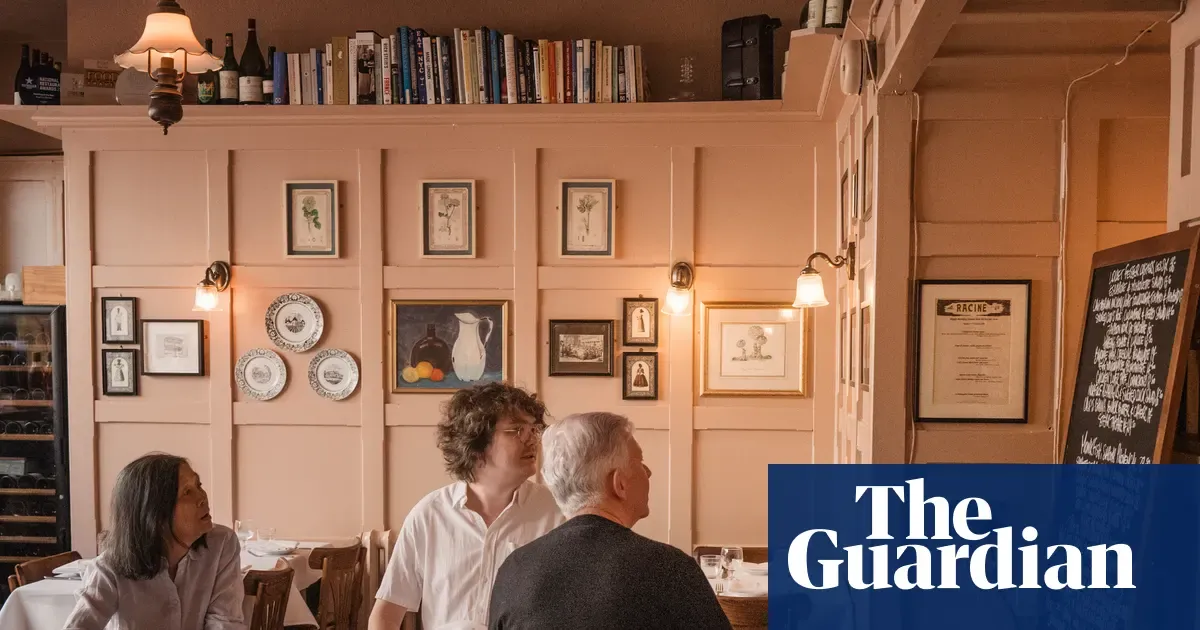
Bouchon Racine's co-owner says an AI agent phoned for a table, sounded human and admitted it was automated only when he asked. He and Jeremy King of Simpson's in the Strand say they are going more analogue and pushing bookings to the phone. The Guardian links the trend to Meta's Muse but does not say which agent made that call. [1]
Muse keeps working after the app is closed. It books through partner connectors such as OpenTable and uses a business's website when no connector exists. That combination can put reservation systems under machine-speed load, and US precedent backs the concern: Resy suspended accounts after a different agent, Instinct, queried it hundreds of times an hour. [1] [2] [4] [7]
Evidence so far: one AI call admitting automation only when asked, owners' stated preferences and US account bans for heavy agent querying.
Read the full assessment
Implication: booking platforms may need approved agent channels, rate limits and identity checks, while agent builders face disclosure and terms-of-service pressure.
Executive brief
Some top UK restaurants are going back to the telephone because AI agents are making bookings for diners. Bouchon Racine's co-owner says an AI agent phoned him about a table, sounded convincingly human, and admitted it was "an AI booking process" only when he asked (Guardian). The Guardian ties the problem to Meta's Muse agent, which launched in the UK on 24 November. It does not say which product made that call. In US cases with documented account bans, the agent named was a different assistant, Instinct (CNN via KEYT).
What changed and event timeline
- Early Sep 2026
Resy suspends accounts using agents
One user's Instinct agent queried Resy hundreds of times an hour, mostly chasing tables at 4 Charles Prime Rib. Resy says it does not allow unapproved third-party bots or agents on its platform ().
Meta launches Muse in the US
Meta describes Muse as a personal agent that reads email, books travel, fills in forms, negotiates and pays for things. It runs on Meta's Muse Spark model, with paid tiers at $20 and $100 a month ().
Muse passes 2 million downloads
CNN reports this figure alongside complaints from restaurateurs. Roni Mazumdar, who co-owns Dhamaka and Semma, calls bot bookings a lose-lose for genuine diners ().
Muse launches in the UK with regulators watching
Launch partners include Sainsbury's, M&S, Currys and easyJet. Before launch, the CMA secured changes to Meta's terms and the ICO agreed a voluntary monitoring scheme with Meta (;).
UK restaurateurs push back
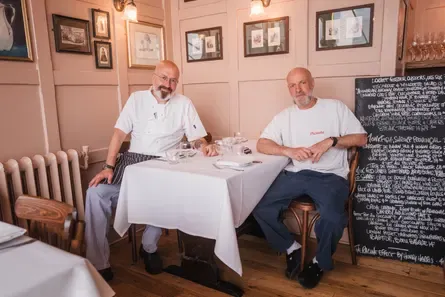
Bouchon Racine's Dave Strauss and Jeremy King, who owns Simpson's in the Strand, say they are going "more analogue" and steering bookings to the phone ().
Capabilities and access
- Model: Muse Spark, from Meta Superintelligence Labs. Meta calls it its "most capable model to date" for agentic work (Meta).
- UK access: free for adults aged 18 and over, with optional paid plans. Available on iOS, Android, WhatsApp and muse.ai (Retail Gazette).
- What it can do: keep working after the app is closed, track prices and stock, and link to apps such as OpenTable and Ticketmaster to suggest bookings and make them in one click (YourStory).
Read the full section
- Model: Muse Spark, from Meta Superintelligence Labs. Meta calls it its "most capable model to date" for agentic work (Meta).
- UK access: free for adults aged 18 and over, with optional paid plans. Available on iOS, Android, WhatsApp and muse.ai (Retail Gazette).
- What it can do: keep working after the app is closed, track prices and stock, and link to apps such as OpenTable and Ticketmaster to suggest bookings and make them in one click (YourStory).
- Fallback: if a business has no "connector" app, Muse uses its website instead (Guardian).
Technical analysis for researchers and developers
- Architecture (as Meta describes it): each user gets an isolated "Muse Secure VM" that holds both the agent and the user's data.
- No public evaluation: none of the reviewed sources includes a benchmark, a red-team result or a rate-limit specification for Muse.
- Implications for booking sites: an agent that keeps running and falls back to the open web can hammer reservation systems at machine speed.
Read the full section
- Architecture (as Meta describes it): each user gets an isolated "Muse Secure VM" that holds both the agent and the user's data. A separate "Sentinel" agent must approve anything before it goes out to the internet. Credentials are encrypted, and users see an audit trail before sensitive actions. Payment uses one-time cards through Stripe's Link (Meta; TNW).
- No public evaluation: none of the reviewed sources includes a benchmark, a red-team result or a rate-limit specification for Muse.
- Implications for booking sites: an agent that keeps running and falls back to the open web can hammer reservation systems at machine speed. Sites need ways to tell an approved agent from a disallowed one, such as a connector, a verified identity or a rate cap. Voice agents add the question of disclosure to staff who answer the phone.
Claims and evidence
- Agents snap up tables by refreshing pages thousands of times. The Guardian reports this.
- Muse is causing "chaos" for restaurants. This is the Guardian's framing.
- The Sentinel and VM safeguards protect users. This is Meta's own description and has not been independently tested (Meta).
Read the full section
- Agents snap up tables by refreshing pages thousands of times. The Guardian reports this. CNN independently documents suspensions caused by heavy querying, but in those cases the agent was Instinct (CNN via KEYT).
- Muse is causing "chaos" for restaurants. This is the Guardian's framing. It cites unnamed sources at Resy and does not tie the Bouchon Racine call to Muse (Guardian).
- The Sentinel and VM safeguards protect users. This is Meta's own description and has not been independently tested (Meta).
- Regulators changed the product. The CMA did not say which clauses changed (Radar Digital).
Context and prior work
Scalper bots built for booking sites existed well before LLM agents; open-source Resy booking bots, for example, are on GitHub (GitHub). UK regulators responded together through the DRCF (CMA, ICO, FCA and Ofcom), and the ICO says it will publish guidance on agentic AI by spring 2027 (TLT).
Read the full section
Scalper bots built for booking sites existed well before LLM agents; open-source Resy booking bots, for example, are on GitHub (GitHub). What is new is consumer agents that browse, email and call on a user's behalf with little effort from the user. Amazon reportedly blocked Muse in the US over data-security concerns (Retail Gazette). UK regulators responded together through the DRCF (CMA, ICO, FCA and Ofcom), and the ICO says it will publish guidance on agentic AI by spring 2027 (TLT).
Limitations, safety and contested findings
- The UK evidence is anecdotal: one AI phone call and owners' stated preferences. There are no counts of bookings or no-shows.
- The ICO scheme is voluntary and depends on Meta continuing to report (Resultsense).
- Consumers already face harm: in one case an agent made a mistaken Tokyo booking that cost the user a $200 cancellation fee (CNN via KEYT).
Read the full section
- The UK evidence is anecdotal: one AI phone call and owners' stated preferences. There are no counts of bookings or no-shows.
- The ICO scheme is voluntary and depends on Meta continuing to report (Resultsense).
- Consumers already face harm: in one case an agent made a mistaken Tokyo booking that cost the user a $200 cancellation fee (CNN via KEYT).
- Concierge Kimberley Coke warns that bookings made through apps or agents hide who the diner is, which raises no-show risk in December (Guardian).
Business and practitioner implications
- Booking platforms: expect pressure to offer approved agent channels with rate limits and identity checks, rather than outright bans.
- Agent builders: respect platform terms, disclose AI on voice calls, and avoid web fallbacks that look like scraping.
- Restaurants: phone and relationship-based booking costs more staff time but gives back control over who gets tables.
Read the full section
- Booking platforms: expect pressure to offer approved agent channels with rate limits and identity checks, rather than outright bans.
- Agent builders: respect platform terms, disclose AI on voice calls, and avoid web fallbacks that look like scraping. These issues could become reputational and regulatory problems (TLT).
- Restaurants: phone and relationship-based booking costs more staff time but gives back control over who gets tables.
- Retailers in Meta's partner list: connectors let them shape how agents interact with their sites, instead of having agents fall back to the open web.
The source trail.
Sources (10)
‘I told it to never call me again’: AI bots wreak havoc with UK restaurant bookings
Article text retrieved; extracted text may omit tables or interactive elements.
theguardian.com