
PolicyLaw, regulation & governance
Meta whistleblower Sarah Wynn-Williams urges Andy Burnham to make UK NDA limits retrospective and extend them to AI insiders
Sarah Wynn-Williams, the former Facebook policy director still barred by arbitration from discussing her memoir, used the Orwell Lecture to urge Andy Burnham to make new UK NDA limits retrospective and extend them to protect AI insiders who warn about risks.
From the The Guardian · AI article of November 27, 2026 and cited sources: In her Orwell Lecture in London, Wynn-Williams compared NDAs to Orwell's 'memory hole'. [1]
SOURCES[1] Meta whistleblower calls on Burnham to go further with ban… theguardian.com
 AT Pulse research deskPublished · Updated · 5 min read · AI-assisted analysis
AI-assisted, not human-edited. Methodology Corrections Who owns this site
- What happened
- In her Orwell Lecture in London, Wynn-Williams compared NDAs to Orwell's 'memory hole'. [1]
- Original source
- The Guardian · AI article, independent perspective
- Brief by
- AT Pulse research desk AI-assisted; publisher and contact on the desk page
- When
- November 27, 2026 article published
- Covered
- Nov 27 edition
- Evidence
- 15 sources across 13 sites
- 1Meta whistleblower calls on Burnham to go further with ban…theguardian.com
- 2GOV.UK: Prime Minister calls time on abusers hiding in…gov.uk
- 3Fortune (2025): Meta memoir legal battlefortune.com
- 4TechCrunch: Meta takes aim at ex-employee's memoirtechcrunch.com
- 5Grassley letter to Metagrassley.senate.gov
- 6Fortune (2026): Meta surveillance and gag order lawsuitfortune.com
Reach: not measured yet
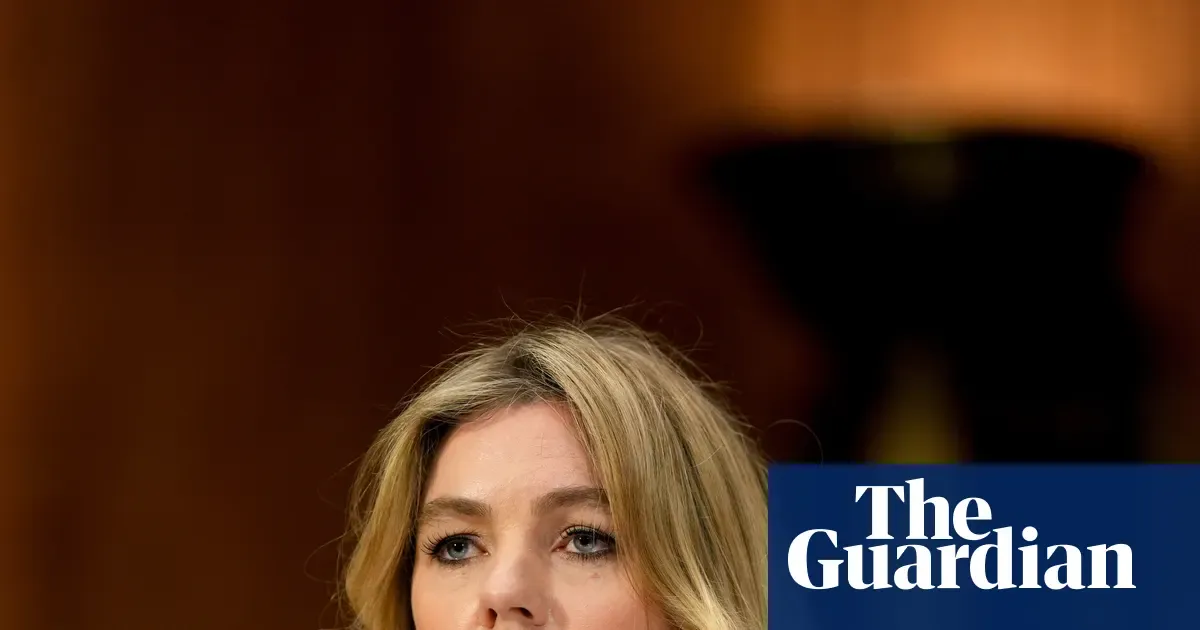
In her Orwell Lecture in London, Wynn-Williams compared NDAs to Orwell's 'memory hole'. She asked the prime minister to widen his new restrictions and apply them retrospectively. She argued that AI researchers and engineers, who often give up speech rights as a condition of being hired, are the people best placed to warn the public about risks. [1]
The UK rules announced on 24 November take effect in January 2027. They let crime victims speak despite an NDA and void harassment confidentiality clauses in new workplace agreements. The published announcement does not mention disclosures about AI risk. Proposals covering harassment outside the workplace are expected in 2027. [2] [7]
Wynn-Williams is bound by a non-disparagement clause in a 2017 severance deal, which is enforced through private arbitration. This is not a standard confidentiality NDA, so rules aimed at confidentiality clauses may not reach it. Her 2026 federal lawsuit alleges she signed under duress and that Meta monitored her public appearances. Meta calls her book false and says an arbitrator has already found she broke the agreement. [3] [6] [8]
Protections for AI whistleblowers remain patchy. In 2024, OpenAI exit agreements tied vested equity to lifelong non-disparagement, which prompted the 'Right to Warn' letter from current and former staff. California's SB 53 protects some frontier-AI employees who report catastrophic risks, but critics say its harm thresholds and employee coverage are too narrow. [9] [11] [14]
The UK rules, effective January 2027, void only harassment clauses in new agreements and protect crime victims.
Read the full assessment
AI safety concerns usually involve legal but risky conduct, so researchers bound by non-disparagement terms may remain uncovered without broader reform.
Executive brief
Sarah Wynn-Williams was Facebook's director of global public policy and wrote the memoir Careless People. A US arbitration order still stops her from discussing the book. On 26 November 2026 she gave the Orwell Lecture in London and used it to ask Prime Minister Andy Burnham to widen his new limits on non-disclosure agreements (NDAs) and make them retrospective. She argued that AI researchers and engineers, who often sign away speech rights to get hired, are the people best placed to warn the public about risks (Guardian). The UK rules start in January 2027. They cover crime victims and workplace harassment, not AI safety disclosures (GOV.UK).
What changed and event timeline
Arbitrator blocks book promotion
An emergency arbitrator at the American Arbitration Association barred Wynn-Williams from promoting the memoir under her severance non-disparagement clause. The publisher, Macmillan, said the ruling did not bind it (;).
Senate inquiry
Senator Chuck Grassley wrote to Meta about possible whistleblower retaliation after Wynn-Williams testified in Congress ().
Wynn-Williams sues Meta
Her federal suit in Northern California says the severance deal was signed under duress. It also alleges Meta sent people to photograph her at events to record that she stayed silent ().
Burnham announces NDA limits
From January 2027, crime victims can speak to anyone despite an NDA. Harassment confidentiality clauses in new workplace NDAs become void (;).
Orwell Lecture
Wynn-Williams compared NDAs to Orwell's "memory hole" from 1984, asked for retrospective reform, and pointed to AI insiders as the people most in need of protection ().
Capabilities and access
This is a story about policy and law, not a product launch. No AI model or system is involved.
Read the full section
This is a story about policy and law, not a product launch. No AI model or system is involved.
- UK rules: start January 2027 and cover crime victims and workplace harassment. Further proposals on harassment outside the workplace, including freelancers and fans, are due in 2027 (Solicitors Journal).
- Coverage of AI risk: the published announcement does not cover disclosures about AI risk (GOV.UK).
Technical analysis for researchers and developers
The legal mechanism matters more than the rhetoric:
Read the full section
The legal mechanism matters more than the rhetoric:
- Restriction type: Wynn-Williams is bound by a non-disparagement clause in a 2017 severance agreement, enforced through private arbitration. It is not a standard confidentiality NDA (Katz Banks Kumin). UK rules aimed at confidentiality clauses may not reach this kind of restriction.
- Trigger: the UK voiding applies to harassment and crime. Concerns about AI safety usually involve conduct that is legal but risky, which is the gap the 2024 "Right to Warn" letter identified (Lawfare).
- Retrospectivity: reporting describes the clause-voiding as applying to new agreements (Solicitors Journal). That is why Wynn-Williams is asking for retrospective reform.
Claims and evidence
- Wynn-Williams faces about $50,000 per alleged breach. Fortune instead reports it as damages Meta is seeking (Fortune).
- Meta surveilled her appearances. This is an allegation in her lawsuit and has not been tested in court (Fortune).
- NDAs were used in the Walliams and Brand cases. These are her characterisation of press reports. Walliams denies the allegations against him (Guardian).
Read the full section
- Wynn-Williams faces about $50,000 per alleged breach. Her lawyers call this a fixed penalty (Katz Banks Kumin). Fortune instead reports it as damages Meta is seeking (Fortune). The figure comes from a party to the case.
- Meta surveilled her appearances. This is an allegation in her lawsuit and has not been tested in court (Fortune).
- NDAs were used in the Walliams and Brand cases. These are her characterisation of press reports. Walliams denies the allegations against him (Guardian).
- Independent coverage of the lecture is thin. Other write-ups found largely repeat the Guardian report (AOL).
Context and prior work
- 2024, OpenAI: exit agreements tied vested equity to lifelong non-disparagement.
- California SB 53: signed September 2025. It protects some frontier-AI employees who report "catastrophic risks" (Mayer Brown; Greenberg Traurig).
- US federal: Grassley's AI Whistleblower Protection Act was introduced in May 2025 (Tech Policy Press).
Read the full section
- 2024, OpenAI: exit agreements tied vested equity to lifelong non-disparagement. Daniel Kokotajlo was reported to have put roughly $2M in equity at risk by refusing to sign. In June 2024, 13 current and former OpenAI and Google DeepMind staff signed "A Right to Warn" (Lawfare).
- California SB 53: signed September 2025. It protects some frontier-AI employees who report "catastrophic risks" (Mayer Brown; Greenberg Traurig).
- US federal: Grassley's AI Whistleblower Protection Act was introduced in May 2025 (Tech Policy Press).
Limitations, safety and contested findings
- Meta's position: Meta calls the book false and disparaging.
- What she did not say: Wynn-Williams did not discuss her own case in the lecture, so the talk adds no new evidence about Meta (Guardian).
- Criticism of SB 53: commentators argue its protections are too narrow, with high harm thresholds and limited employee coverage (Tech Policy Press).
Read the full section
- Meta's position: Meta calls the book false and disparaging. It says the lawsuit is an attempt to sell books and that an arbitrator has already found she broke her agreement (Fortune).
- What she did not say: Wynn-Williams did not discuss her own case in the lecture, so the talk adds no new evidence about Meta (Guardian).
- Criticism of SB 53: commentators argue its protections are too narrow, with high harm thresholds and limited employee coverage (Tech Policy Press).
Business and practitioner implications
- UK employers: check NDA and settlement templates before January 2027. Harassment confidentiality clauses in new agreements will be void (GOV.UK).
- AI labs: broad non-disparagement terms carry growing reputational and legal risk, as the OpenAI episode and SB 53 show (Lawfare).
- Precedent to watch: the Wynn-Williams lawsuit tests whether older severance terms can override newer whistleblower protections.
Read the full section
- UK employers: check NDA and settlement templates before January 2027. Harassment confidentiality clauses in new agreements will be void (GOV.UK).
- AI labs: broad non-disparagement terms carry growing reputational and legal risk, as the OpenAI episode and SB 53 show (Lawfare).
- Precedent to watch: the Wynn-Williams lawsuit tests whether older severance terms can override newer whistleblower protections. The outcome could affect NDA enforceability across the tech industry (Yahoo/News).
The source trail.
Sources (15)
Meta whistleblower calls on Burnham to go further with ban on NDAs
Article text retrieved; extracted text may omit tables or interactive elements.
theguardian.com