
SafetyRisk, alignment & guardrails
Former OpenAI engineer charged in office bugging case released on $1 million bond as judge denies DOJ bid as moot
Abdulrahman Alfozan, a former OpenAI engineer charged with hiding an audio recorder in an executive conference room, left custody on a $1 million bond with an ankle monitor. A government motion to keep him jailed reached the district judge only after his release.
From the CNBC · Technology article of November 25, 2026 and cited sources: Magistrate Judge Alex Tse denied bail on Oct. 19, even though the Saudi consulate offered to cover a $1 million bond. [1] [4] [6]
SOURCES[1] CNBC: Saudi national in OpenAI bugging case is out on bond… cnbc.com[4] Fortune: detention hearing fortune.com[6] CNBC: Saudi national charged in OpenAI bugging to be… cnbc.com
 AT Pulse research deskPublished · Updated · 5 min read · AI-assisted analysis
AI-assisted, not human-edited. Methodology Corrections Who owns this site
- What happened
- Magistrate Judge Alex Tse denied bail on Oct. 19, even though the Saudi consulate offered to cover a $1 million bond. [1] [4] [6]
- Original source
- CNBC · Technology article, independent perspective
- Brief by
- AT Pulse research desk AI-assisted; publisher and contact on the desk page
- When
- November 25, 2026 article published
- Covered
- Nov 28 edition
- Evidence
- 8 sources across 6 sites
- 1CNBC: Saudi national in OpenAI bugging case is out on bond…cnbc.com
- 2U.S. DOJ press releasejustice.gov
- 3TechCrunch: FBI arrests OpenAI employeetechcrunch.com
- 4Fortune: detention hearingfortune.com
- 5WinBuzzer: indictmentwinbuzzer.com
- 6CNBC: Saudi national charged in OpenAI bugging to be…cnbc.com
Reach: not measured yet
Magistrate Judge Alex Tse denied bail on Oct. 19, even though the Saudi consulate offered to cover a $1 million bond. On Nov. 24 he reversed himself and granted release on a $1 million bond with an ankle monitor. The government's stay motion reached Judge Vince Chhabria after Alfozan was already out, and Chhabria denied it as moot. A hearing on revoking release is set for Dec. 3, and jury selection is scheduled for Jan. 20. [1] [4] [6]
The indictment has one count: intercepting oral communications under the Wiretap Act, with a maximum of five years in prison. It has no espionage or foreign-agent count. Prosecutors say his computer held dozens of recordings of OpenAI meetings, including at least one with foreign-government representatives. The defense says prosecutors conceded they found no new evidence of trade-secret theft or of him acting as an unregistered Saudi agent. [1] [2] [5]
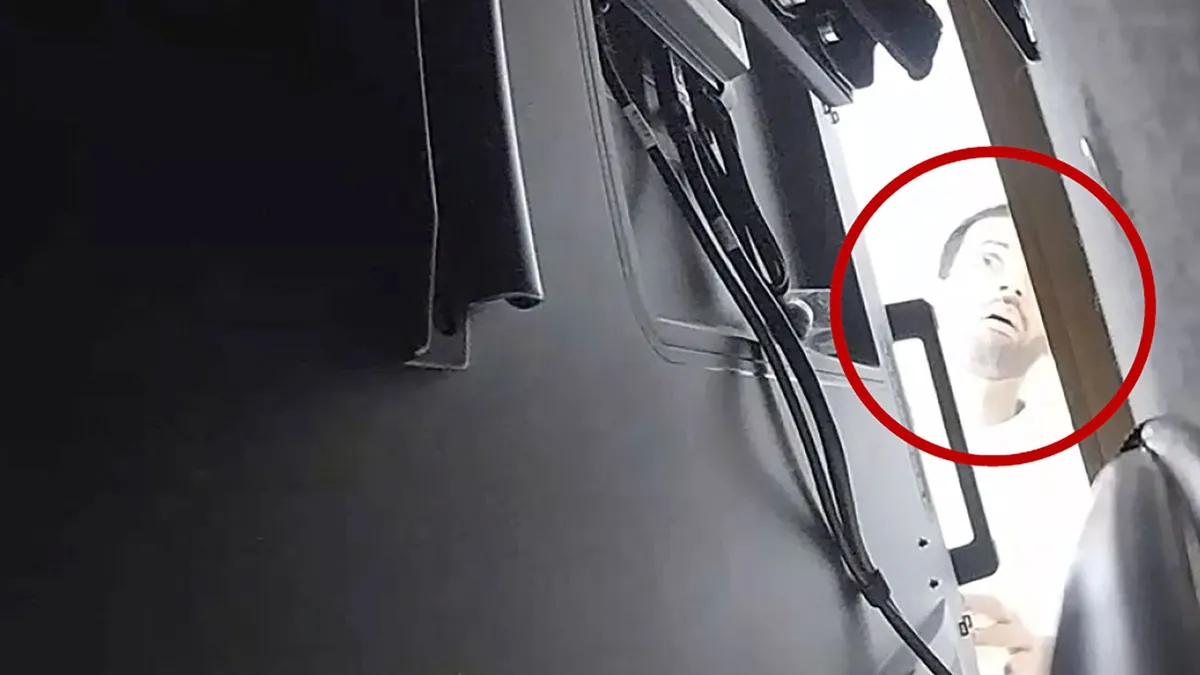
The alleged attack was low-tech. A recording device was plugged into the USB port of a meeting-room TV, and it targeted conversations rather than code. Staff found it by physical inspection, and CCTV showed him near the room. OpenAI says it found no sign that model weights, source code or customer data were accessed. [2] [3]
Prosecutors point to his Saudi ties. He became a venture partner at the Saudi firm Raed Ventures in 2025, shortly after a Saudi prince joined it. They also cite WhatsApp messages in which a Saudi royal said Saudi Arabia needed him more than the U.S. The complaint does not allege that the firm knew about the bugging. [4] [7]
According to the court filings, a trusted insider recorded leadership meetings using ordinary conference-room hardware.
Read the full assessment
If proven, the case suggests AI labs need to protect strategy discussions as well as model weights, and to put insider-threat controls on meeting-room AV and USB access.
Executive brief
A federal magistrate judge has released Abdulrahman Alfozan on a $1 million bond. He is a former OpenAI engineer, charged with hiding a recording device in an executive conference room. The same judge refused him bail five weeks earlier. Prosecutors made a last-minute bid to keep him jailed. The district judge received it only after Alfozan was already out and denied it as moot, according to CNBC. He faces one Wiretap Act count, not espionage. Prosecutors say his laptop held dozens of September 2026 recordings from inside OpenAI, at least one involving foreign-government representatives. A hearing on revoking his release is set for Dec. 3, and jury selection for Jan. 20.
What changed and event timeline
Device found behind executive TV
OpenAI staff found a recording device in a TV's USB port. Prosecutors say it was installed around Sept. 28; a second device was found in his bag on Oct. 5 ().
FBI arrest
Alfozan, who joined OpenAI's product team in July 2025, was arrested and fired. FBI Director Kash Patel framed the case as protecting "superintelligence" work ().
Bail denied despite Saudi consulate guarantee
Magistrate Judge Alex Tse rejected a $1 million bond the Saudi consulate offered to cover. He called the offer a "blank check" ().
Indictment
A grand jury indicted him on one count of intercepting oral communications. Prosecutors also seek forfeiture of the equipment ().
Tse reverses on release
Tse granted a defense motion for release on a $1 million bond with an ankle monitor ().
Released; DOJ motion mooted
Judge Vince Chhabria denied the government's stay motion as moot and set a Dec. 3 hearing on revocation ().
Capabilities and access
- Role: Engineering lead on AI agents and the data platform (CNBC).
- Device: OpenAI says it had advanced encryption, audio monitoring and a data-transfer method built to evade monitoring (TechCrunch).
- What OpenAI says was not taken: It reports no sign that he accessed or exfiltrated model weights, source code or customer data (same source).
Read the full section
- Role: Engineering lead on AI agents and the data platform (CNBC).
- Device: OpenAI says it had advanced encryption, audio monitoring and a data-transfer method built to evade monitoring (TechCrunch).
- What OpenAI says was not taken: It reports no sign that he accessed or exfiltrated model weights, source code or customer data (same source).
- Charge: One Wiretap Act count. Maximum penalty is five years in prison, a $250,000 fine and three years of supervised release (DOJ).
Technical analysis for researchers and developers
No model, architecture or benchmark is involved, so the relevant details are about physical and insider security:
Read the full section
No model, architecture or benchmark is involved, so the relevant details are about physical and insider security:
- The attack: It used an ordinary USB port on a meeting-room TV, which counts as a trusted spot inside the building. Audio was the target, not code or weights.
- How it was caught: By physical inspection plus CCTV of him near the room on several dates (DOJ).
- AI-assisted analysis: TechCrunch reports that OpenAI used its own models to analyze the device. No method has been published, so this cannot be reproduced (TechCrunch).
- Separate risks: Leaked meeting audio threatens strategy and negotiations, not model integrity.
Claims and evidence
- Prosecution: Hundreds of audio files were found on his personal computer. Prosecutors say the investigation is ongoing (CNBC).
- Defense: Prosecutors have admitted they found no new evidence of trade-secret theft or of acting as an unregistered Saudi agent (same source).
- Saudi links: In WhatsApp messages, a Saudi royal told him Saudi Arabia needed him more than the U.S.; he replied "100."
Read the full section
- Prosecution: Hundreds of audio files were found on his personal computer. These include dozens of OpenAI meetings, some possibly covering trade secrets, and at least one involving foreign-government representatives. Prosecutors say the investigation is ongoing (CNBC).
- Defense: Prosecutors have admitted they found no new evidence of trade-secret theft or of acting as an unregistered Saudi agent (same source).
- Saudi links: In WhatsApp messages, a Saudi royal told him Saudi Arabia needed him more than the U.S.; he replied "100." The defense says he planned paternity leave and points to CES 2027 registration and a pending U.S. citizenship interview (Fortune).
- What these are: All of the above are allegations from filings. None has been tested at trial.
Context and prior work
- Raed Ventures: Alfozan became a venture partner at the Saudi VC firm Raed Ventures in February 2025.
- Prosecutors' framing: U.S. Attorney Craig Missakian called the case "a matter of national security" (DOJ).
- Wider debate: Coverage has linked the case to broader questions about security at AI labs (AZFamily).
Read the full section
- Raed Ventures: Alfozan became a venture partner at the Saudi VC firm Raed Ventures in February 2025. That was two days after Prince Khalid Bin Bader Al Saud joined it. The complaint does not allege the firm knew of the bugging (CNBC).
- Prosecutors' framing: U.S. Attorney Craig Missakian called the case "a matter of national security" (DOJ).
- Wider debate: Coverage has linked the case to broader questions about security at AI labs (AZFamily).
Limitations, safety and contested findings
- Conflicting dates: CNBC's Oct. 14 story places some events in 2025, while DOJ and Fortune say 2026. This report uses the DOJ dates.
- Narrow charge: The indictment contains no espionage or foreign-agent count. Talk of Saudi state involvement remains an allegation (WinBuzzer).
- Release still contested: The government's filing argues no set of conditions can reasonably prevent flight (CNBC).
Read the full section
- Conflicting dates: CNBC's Oct. 14 story places some events in 2025, while DOJ and Fortune say 2026. This report uses the DOJ dates.
- Narrow charge: The indictment contains no espionage or foreign-agent count. Talk of Saudi state involvement remains an allegation (WinBuzzer).
- Release still contested: The government's filing argues no set of conditions can reasonably prevent flight (CNBC).
- Timing gap: The magistrate judge granted release, and the district judge saw the government's challenge only after Alfozan was out. That gap shaped the outcome.
Business and practitioner implications
- Insider threat: A trusted engineer allegedly bugged leadership meetings.
- Outside investors: Investor and side-role disclosures for employees in sensitive positions are likely to get more scrutiny.
- Policy: Officials' talk of "superintelligence" and "national security" points to more government involvement in AI-lab security.
Read the full section
- Insider threat: A trusted engineer allegedly bugged leadership meetings. Labs should sweep meeting rooms, lock down USB and AV hardware, and treat executive conversations as protected assets.
- Outside investors: Investor and side-role disclosures for employees in sensitive positions are likely to get more scrutiny.
- Policy: Officials' talk of "superintelligence" and "national security" points to more government involvement in AI-lab security.
- What to watch: The Dec. 3 hearing on revoking release, and whether prosecutors add charges before the Jan. 20 trial.